One of the biggest challenges faced by municipalities trying to address the homeless problem is backlash from the communities that want something to be done about the homeless problem—as long as it’s not done anywhere near them. Not In My Back Yard (NIMBY) is the mindset of most people. I can’t blame them. Consolidating the dregs of society in any location is going to have a negative effect on property values and potentially attract more and more homeless people to the area. Where do they go when they leave the area—to my neighbor’s alley, to my local grocery store’s sidewalk, to MY sidewalk? No, thank you!
So where does that leave us? We want the city to do something, but we don’t want them to do anything that will jeopardize our comfort zone. They try to create “safe spaces” where homeless folks can exist with less fear of crime or violence, but in doing so, we create spaces that are less safe for homeowners and businesses. So let’s just say it: We, the “normal” people, want them, the “abnormal” people, to go away—far, far away. That’s the plain and simple truth of the matter. No matter how much of a humanitarian you may be, you’re not going to open up your favorite stomping ground to dozens of tents, endless litter, and open-air drug use.
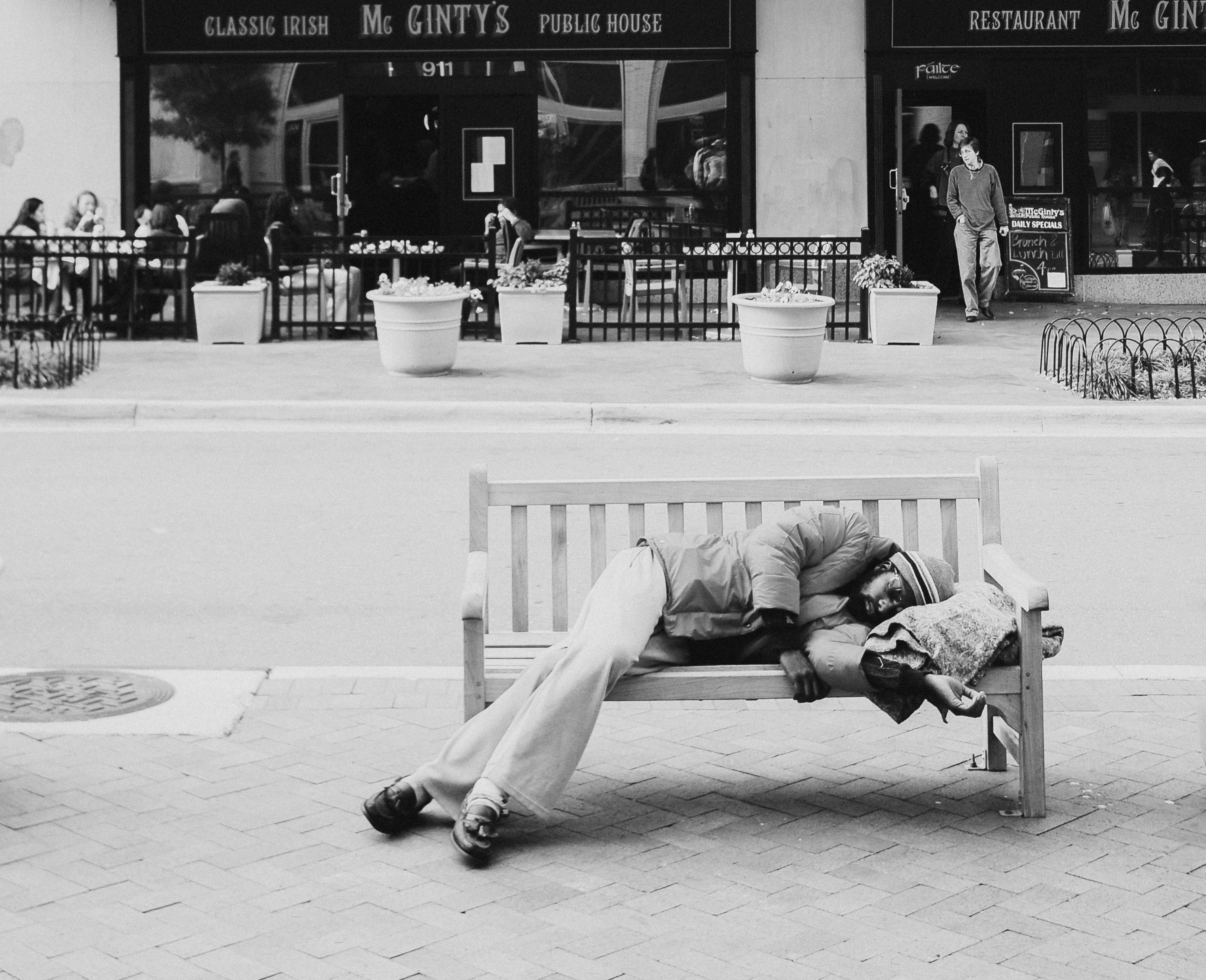
We need a solution that creates immediate and permanent results, with minimal impact on the community, out of sight, non-negotiable, with compassion, safety, and placement for all. That, my friends, is not going to happen.
To have any prayer of making a significant dent in the homelessness issue, the answer is going to have to be “reduced turnover.” If for every 10 people who get out of the tunnel, 11 more fall in, the turnover rate is too great and the population grows. That’s pretty simple to understand. So, a major part of the battle against homelessness is prevention, and that means money management, drug avoidance, and work ethics have to be at the forefront of this nation’s culture and education system for about the next forty years. Good luck with that, Gen Z. Welfare is breeding complacency, drug use is being glamorized, and work ethic—what the heck is that? Kids get a whiff of a life of cautious spending, sobriety, and hard work, and they’re thinking, “Not in my back yard!”